A memorable field trip is not made by filling every minute. It happens when children have room to wonder, move, make choices, and carry an experience back to the classroom in their own words. Thoughtful school group visit planning creates that room. It turns an outing from a change of scenery into a meaningful shared chapter in a child’s learning.
For educators working with young children, the best destinations support the way children naturally learn: through their bodies, their imaginations, their relationships, and their hands. The practical details still matter, of course. But a well-planned visit feels calm because its purpose is clear.
Begin School Group Visit Planning With One Big Question
Before comparing dates, travel times, or group rates, ask what you hope children will experience. Not simply what you want them to see, but what you want them to feel and practise.
Perhaps your class is exploring community helpers, storytelling, seasons, homes, colour, or movement. Perhaps children need a space to build confidence with peers, release energy after weeks indoors, or follow an interest that has appeared during free play. A visit can support all of these goals, but it helps to choose one or two intentions rather than asking one outing to do everything.
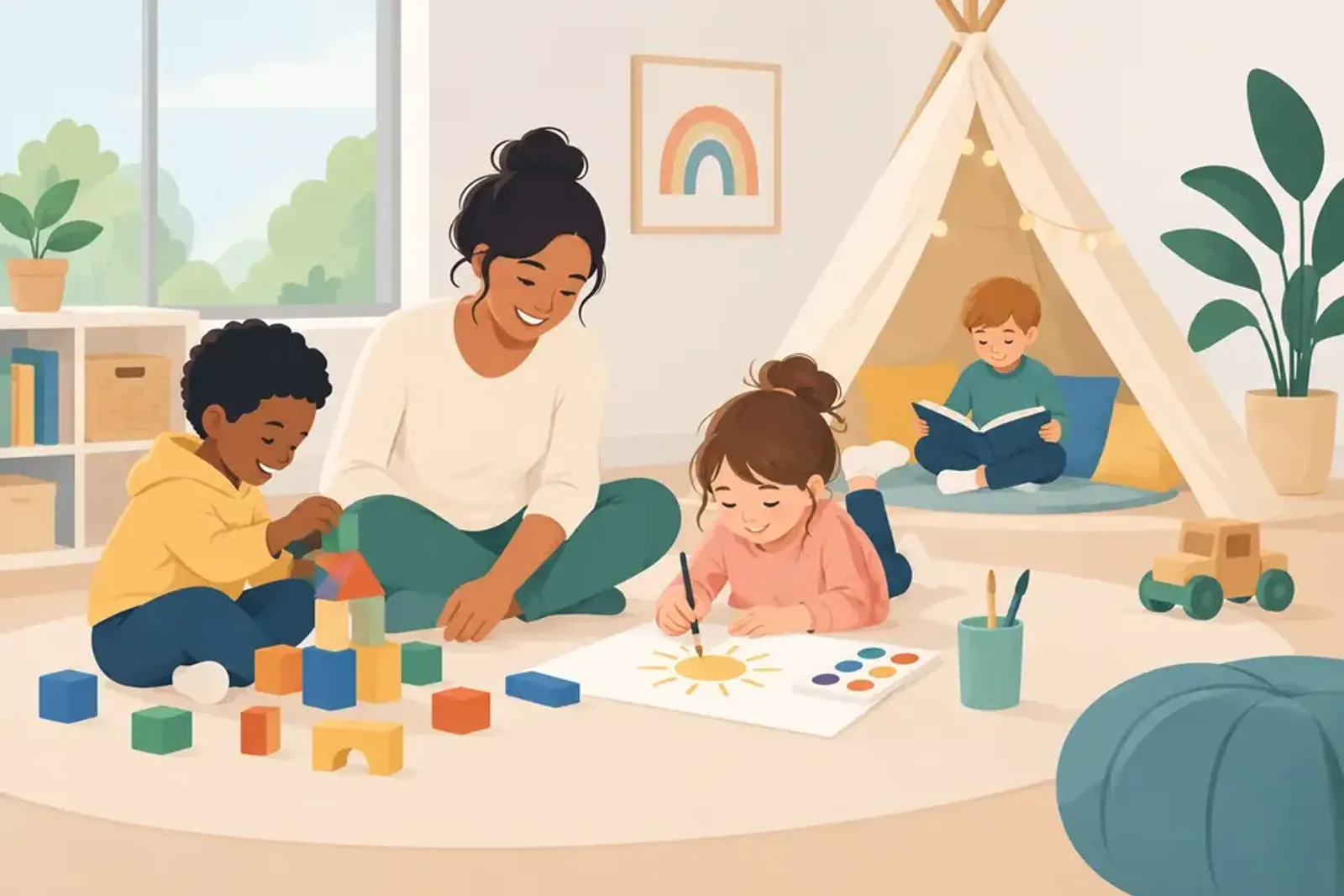
For preschool and early elementary groups, a play-based environment often offers more learning value than a tightly scripted attraction. Children can test ideas at their own pace, return to a favourite area, collaborate on an invented game, and communicate through movement when words are still forming. That freedom needs gentle boundaries, but it does not need to be rushed.
Write your purpose in one simple sentence, such as: “We are visiting to explore how stories can be built together,” or “We are visiting to notice how our bodies move through space.” This becomes a useful filter for every decision that follows.
Choose a Space That Respects Childhood
A beautiful room alone does not make a meaningful field trip. Look for an environment designed with children’s development in mind, where materials invite exploration rather than prescribe a single correct result.
For younger groups, consider whether the setting offers a balance of active movement and quieter imaginative or creative play. A child who is not ready to climb may be ready to arrange small objects, make a mark with paint, or step into a pretend role. A child who needs to move may find regulation through safe, full-body exploration before joining a collaborative activity.
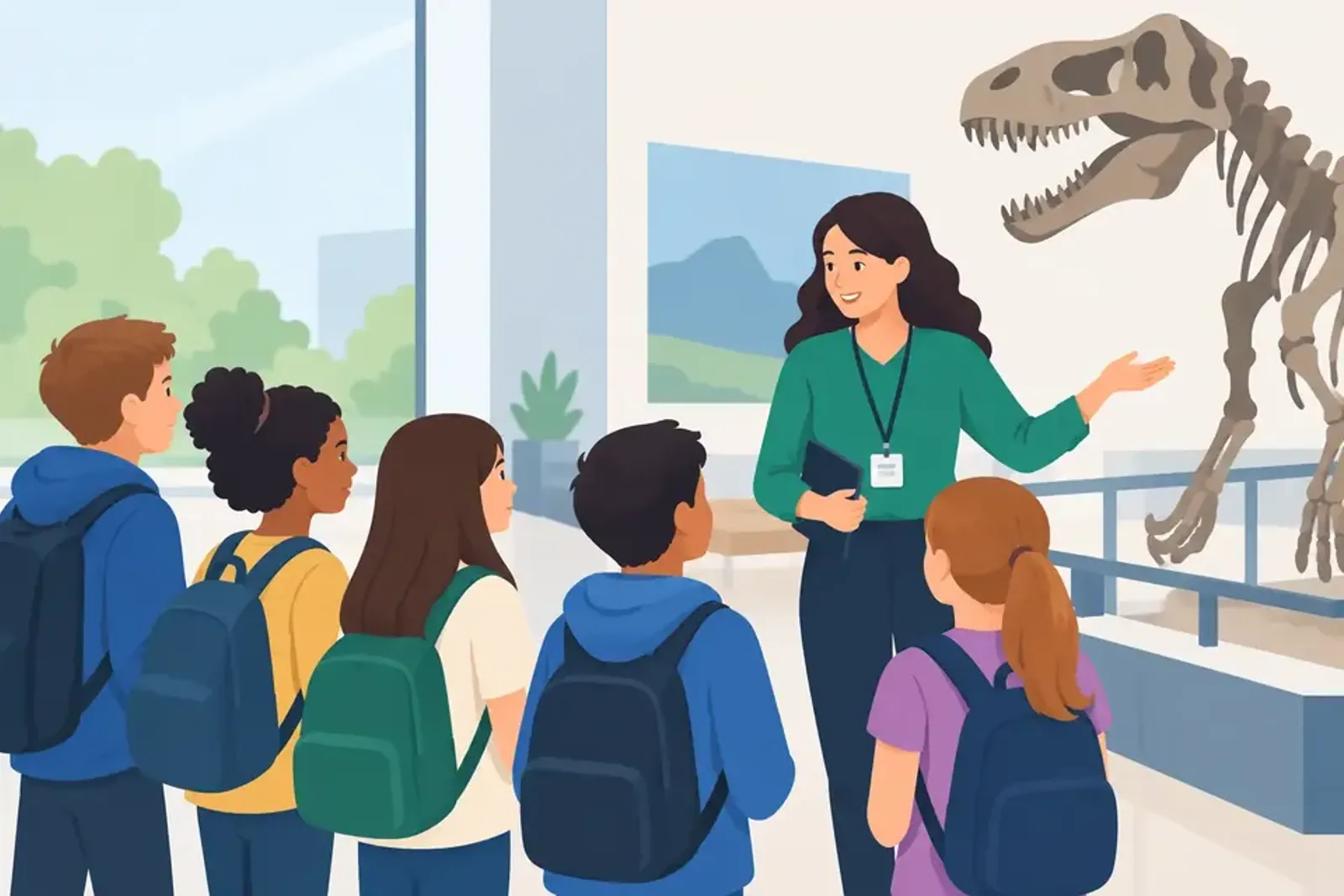
Ask how the space is supervised and how group visits are paced. Some settings work best for independent discovery; others offer a facilitated art activity or a guided welcome. Neither approach is automatically better. It depends on your group’s age, size, sensory needs, and familiarity with outings. A class of seasoned kindergarten explorers may thrive with more open-ended time, while a group making its first trip together may benefit from a clear introduction and a smaller choice of areas.
Practical comfort is part of care. Check washroom access, eating arrangements, coat and bag storage, accessibility, allergy policies, arrival procedures, and the adult-to-child ratio expected by the venue. When these needs are anticipated, educators can spend less energy troubleshooting and more time noticing children’s discoveries.
Build a Rhythm, Not a Packed Schedule
Young children experience time differently from adults. A day that looks efficient on paper can feel overwhelming when it includes a bus ride, unfamiliar sounds, new rules, snacks, washrooms, transitions, and the excitement of being somewhere special.
Leave generous space around the visit. Arrive early enough that children do not enter in a rush. Give them a moment to settle, hear a few simple expectations, and notice the room before launching into play. Plan a clear transition for snack or lunch, then protect enough time for children to return to their ideas if the venue allows it.
A useful rhythm is arrival, orientation, open exploration, a pause for food or rest, then a final period of play or a small group reflection. The exact timing will depend on age and travel distance, but the principle remains the same: fewer transitions usually create a more settled group.
Avoid filling the visit with worksheets or a long list of tasks. A clipboard can turn a child’s attention away from the very experience you hoped they would have. If you want to document learning, adults can take a few permitted photos, jot down children’s comments, or invite each child to share one noticed detail afterward.
Prepare Children Without Giving Away the Magic
A little preparation can make an unfamiliar place feel welcoming. In the days before the visit, talk about where the class is going and why. Show a simple visual schedule if that supports your learners: travel, arrive, play, eat, play, return to school.
Keep the expectations short and positive. You might explain that everyone will take care of the space, stay where their grown-up can see them, use materials thoughtfully, and make room for one another’s ideas. Practise what it sounds like to ask, “Can I join?” or “May I have a turn when you are finished?” These small social scripts can be more valuable than a lengthy rules talk.
It also helps to make space for uncertainty. Some children will be thrilled; others may be worried about the bus, the noise, or separating from their usual routine. Let them know what will stay the same: their teachers will be there, they will have a chance to eat, and they will return to school together. A familiar comfort item or sensory support may be appropriate, depending on your school and the venue’s policies.
Give Adults a Clear, Gentle Role
School group visit planning works best when every accompanying adult understands that their job is more than crowd control. Educators, caregivers, and volunteers help create the emotional weather of the day.
Before leaving, share the schedule, the boundaries of the space, washroom procedures, and which children may need extra support during transitions. Assign adults to zones only if it genuinely improves safety. In a thoughtfully designed play space, adults should still be free to observe, respond, and follow children’s emerging needs.
Encourage chaperones to slow down and notice rather than directing every moment. Instead of saying, “What colour is that?” or “Try this next,” they might offer an open invitation: “You found a way to balance it,” “Tell me about your plan,” or “I see you are working together.” This language honours children as capable makers of meaning.
There is a balance to hold. Adults should step in when safety, inclusion, or conflict requires support. Yet children also deserve opportunities to negotiate, experiment, and revise an idea without an adult taking over. The richest play often begins just after a child says, “What if?”
Let Play Connect Back to Learning
The learning from a group visit does not end when coats are zipped. A simple classroom follow-up helps children revisit what mattered to them and gives educators a window into what they noticed.
The next day, invite children to draw a place they remember, recreate part of the experience with loose materials, dictate a story about their play, or share a photograph with a partner. Keep the question open: “What stayed with you from our visit?” One child may recall a sculpture, another a friend’s pretend game, and another the feeling of moving boldly through a new space. All are valid traces of learning.
You can also extend a classroom inquiry from the trip. If children were drawn to building, offer blocks, cardboard, fabric, or natural materials. If they created characters, invite them to make a shared story. If movement captured their attention, explore pathways, balance, rhythm, or body shapes. The visit becomes not a one-time event, but a spark that continues to glow.
At Liliput Playhouse, play is understood as an artistic and developmental language, one that lets children explore who they are alongside one another. This is the kind of lens that makes a school outing feel more lasting: not measuring success by how much was completed, but by the curiosity children carry home.
Plan for the Real Day, Not the Ideal One
Even the most careful plan may meet rain, traffic, a child who is overtired, or a group that becomes absorbed in something unexpected. Build in enough flexibility to respond with calm. If the schedule shifts, children do not need a perfect explanation. They need steady adults and the sense that their experience still matters.
Bring the practical essentials your school requires, communicate clearly with families, and confirm details with the venue ahead of time. Then allow the children some ownership of the day. A meaningful visit is not one where every child does the same thing. It is one where each child finds an entry point into play, connection, and possibility.
When the class returns, listen closely to the stories children choose to tell. Their memories will show you what the visit truly became.